
Daily Briefing: Displacement Surges in Sudan’s Blue Nile as Hormuz Tanker Attacks Hit Their Highest Weekly Toll of the War
All claims independently verified across at least two reputable sources unless explicitly noted as single-sourced.
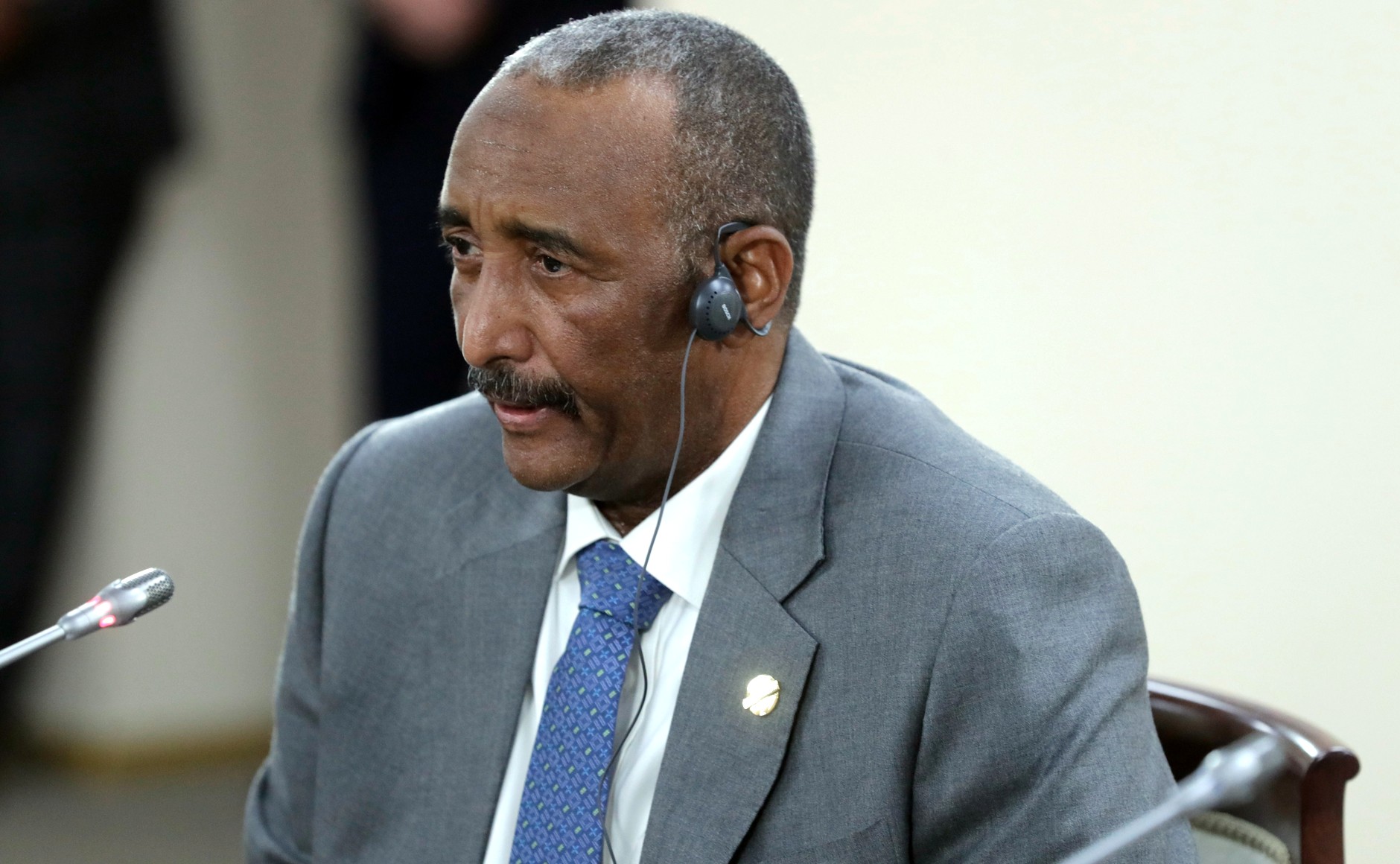
I. Horn of Africa
Mass displacement spread across Sudan’s Blue Nile state as Rapid Support Forces and allied fighters attacked army-held villages, even as the army said it had repelled the assaults and held the strategic Minza corridor, while Sudan’s Darfur-only UN arms embargo moved to within one day of lapsing with the Security Council still divided over expanding it countrywide.
- The UN’s International Organization for Migration recorded roughly 9,800 people displaced from villages in Blue Nile state’s Wad al-Mahi locality in two waves this week: about 7,000 people (1,400 households) fled four villages on 1 October, followed by a further 2,800 people (560 households) from ten villages — including Jabal al-Nimr, Bashkarkat and Menza — on 4 October, after attacks by the Rapid Support Forces and the allied Sudan People’s Liberation Movement-North. Sudan’s army said separately that it repelled a joint RSF-SPLM-N assault on Minza and nearby Bashkarkad, an area near the Roseires Dam and the Ethiopian border, and that government forces held full control of the sector. The RSF did not respond to the army’s claim. The IOM has now recorded roughly 99,000 people displaced from Blue Nile state since January. (Sources: Sudan Tribune; Anadolu Agency, citing IOM) Analysis: a sustained RSF push toward the Roseires Dam corridor would benefit the paramilitary by opening a supply route into Blue Nile and a new front against the army’s eastern positions; the army’s claimed hold on Minza benefits Khartoum by protecting a dam and border corridor it cannot afford to lose.
- Sudan’s Darfur-only UN arms embargo, renewed for one month under Resolution 2828 on 11 September, is due to lapse on 9 October, and the Security Council had not adopted a successor resolution as of this writing. The United States, as penholder, continues to press for a broader measure covering all of Sudan, all parties to the conflict, and explicit controls on drones and dual-use technology; China and Russia have opposed that expansion, and the Council’s African members and Pakistan have favoured a narrower, longer renewal confined to Darfur. Neither Sudan’s army-backed government nor the RSF had issued a new public position on the proposal. (Sources: UN Security Council Report; Khaleej Times) Analysis: Sudan’s army-backed government stands to benefit most from a countrywide embargo, since it would formally restrict the external supply routes the RSF has used through neighbouring states; the RSF would lose the most ground if outside arms flows were genuinely tightened.
Elsewhere in the Horn: this briefing found no confirmed change to the front line around Mekelle, which Ethiopian federal forces secured on 4 October as reported in earlier editions, and no significant new verified developments on Ethiopia-Eritrea relations, Somalia, AUSSOM, Somaliland, or Djibouti since yesterday’s edition.
II. Middle East
Attacks on tankers transiting the Strait of Hormuz reached their highest weekly tally since the US-Iran war began in February, pushing oil prices higher, as Yemen’s government-Houthi fighting continued without a confirmed change to the front lines reported in yesterday’s edition.
- Maritime security sources told Reuters that at least 12 attacks on oil, LNG and LPG tankers occurred in and around the Strait of Hormuz in the week of 28 September–5 October — the highest weekly total since the US-Iran war began on 28 February — while the International Maritime Organization’s own, more conservative count for the same week stood at nine incidents; the previous high was eight IMO-recorded incidents in the week of 13 July. The US Navy-led Joint Maritime Information Center said in a weekend note that harassment of commercial vessels, including drone overflights, surveillance and VHF radio hailing, has persisted as part of an effort to “maintain pressure on transiting vessels.” India’s foreign ministry said 12 crew were injured when an unidentified projectile struck the Panama-flagged tanker On Peace on 7 October, an attack whose responsibility remains unclaimed. (Sources: Reuters, via Business Recorder; Joint Maritime Information Center) The JMIC’s attribution of the broader harassment campaign to Iran’s Revolutionary Guards is the Center’s own assessment; responsibility for most individual projectile strikes, including the On Peace attack, remains formally unclaimed.
- Oil prices rose in early trading on 8 October on renewed supply concerns tied to the elevated rate of shipping attacks, with Brent crude up 1.33% to $101.53 a barrel and US crude up 1.26% to $89.39, even as US commercial crude inventories fell by 3.2 million barrels in the week to 2 October, more than analysts had forecast. (Source: Reuters market data)
Elsewhere in the region: this briefing found no confirmed change to Yemen’s government offensive around al-Waziyah and the Red Sea port of Mocha, or to the Houthis’ claimed strikes on Saudi Arabia, beyond what was reported in yesterday’s edition, and no significant new verified developments on Gaza, Lebanon, or Syria since yesterday’s edition.
III. The Great Powers
This briefing found no significant new verified movement among the great powers in the period since yesterday’s edition.
Elsewhere among the powers: the US Navy’s third carrier strike group continued its transit toward the Gulf with no reported change to its end-of-October arrival timeline, Russia’s Moscow Africa summit dates (28–29 October) remained as confirmed in yesterday’s edition, and this briefing found no significant new verified movement from China, including on China-Taiwan tensions.
Abdinasir Hassan Timoweyne is Chairperson of the Nexa Research and Training Centre and a political analyst specialising in the Horn of Africa and the Middle East. He lectures in International Relations at New Generation University.