
Daily Briefing: A Houthi Missile Reaches Riyadh as Trump Declines to Intervene
Nexa Insight · Regional Analysis · Daily Briefing
Verified developments, 19–21 September 2026 | What happened, not what it means — the analysis is in the Weekly Update.
I · Horn of Africa
Horn of Africa today
A gold mine collapse in RSF-held West Kordofan killed dozens of artisanal miners, a grim reminder of how Sudan’s war economy is costing lives away from the front line.
1. Sudan / West Kordofan. The Al-Zar’a artisanal gold mine near Al-Nuhud, in territory held by the Rapid Support Forces, collapsed on 16 September, likely after heavy rain loosened the ground beneath it. Rescue teams using only hand tools had recovered at least 82 bodies by midweek, with dozens more miners still unaccounted for. A medical group working in the area said the disaster reflects the absence of basic safety standards or emergency rescue services in RSF-administered mining zones. — Sudan Tribune; Al Jazeera; NBC News, 16–17 September.
Elsewhere in the Horn — the Ethiopia–Eritrea standoff over Assab port access remains unresolved with no new escalation; no other new development on Somalia, South Sudan or Djibouti cleared this briefing’s verification standard in the 19–21 September window.
II · Middle East
Middle East today
The Houthis struck the Saudi capital directly for the first time in this war, and Riyadh sent air-raid alerts to its own citizens for the first time too.
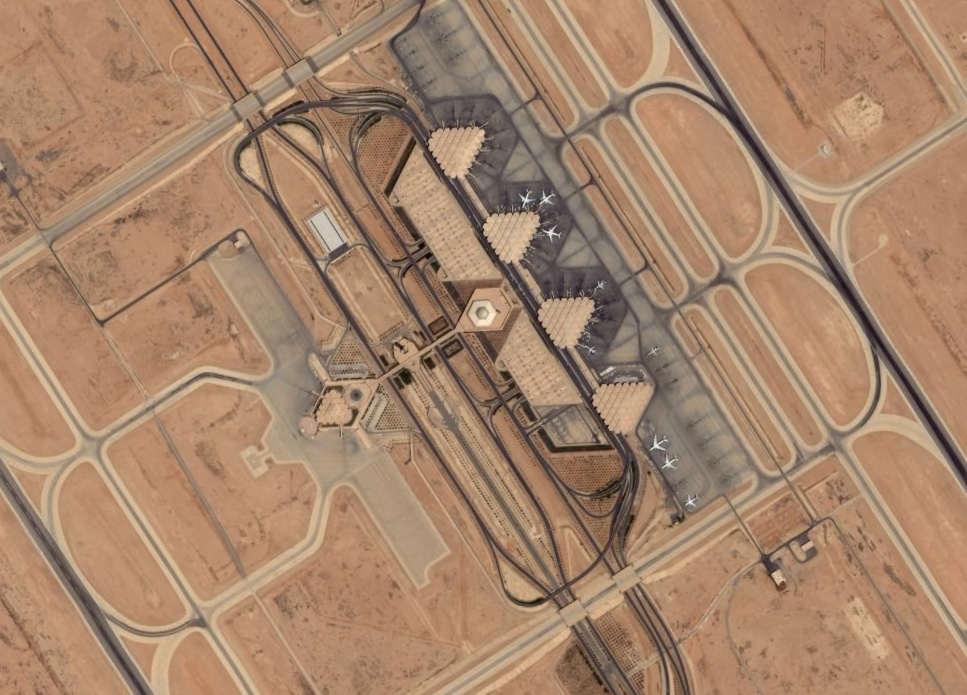
1. Yemen / Riyadh. Yemen’s Houthis said they fired missiles and drones at “sensitive” sites in Riyadh on 20 September, hours after flames and smoke were seen near King Khalid International Airport’s fuel storage area. Saudi air defenses said they intercepted a ballistic missile aimed at the capital; the Saudi government sent air-raid alerts directly to citizens’ phones overnight, the first time it has done so for Riyadh since this round of fighting escalated. It was the first time the Houthis have targeted the Saudi capital itself. — NBC News; UPI; The Week, 19–20 September.
2. Yemen / Houthi statements. A Houthi political bureau member told the Associated Press the group would keep striking Saudi Arabia “until Riyadh ends its blockade of Houthi-held areas,” and warned other countries against joining the Saudi side, saying the Houthis could “fight on multiple fronts.” He said the group had separately assured the Trump administration, through Omani intermediaries, that it would not target US vessels in the Red Sea. — Associated Press, via Haaretz, 20 September.
Elsewhere in the Middle East — no new confirmed shipping incident in the Strait of Hormuz cleared this briefing’s verification standard in the 19–21 September window.
III · The Great Powers
The balance of power today
Washington chose not to fight the Houthis on Saudi Arabia’s behalf, and Riyadh answered by leaning harder on Turkey and Pakistan instead.
1. United States / Saudi Arabia. US President Donald Trump declined a Saudi request for direct American military intervention against the Houthis following the Riyadh strikes. Instead, US embassies across the Middle East issued security alerts urging Americans to keep “heightened vigilance,” warning that the conflict “has the potential to escalate rapidly.” — Irish Times; Euronews, 20 September.
2. Saudi Arabia / Turkey / Pakistan. After Washington’s refusal, Saudi Arabia moved to deepen the defense pact it signed with Turkey and Pakistan in August, a mutual-defense arrangement between three major Sunni-majority states that predates this week’s strikes but that Riyadh is now leaning on more heavily as a hedge against relying on US intervention alone. — Eastern Herald, 20 September; background from August’s Mecca Joint Defense Agreement reporting.
Elsewhere among the Great Powers — no new confirmed development on Russian activity in Libya or on the China–Djibouti file cleared this briefing’s verification standard in the 19–21 September window.
Abdinasir Hassan Timoweyne is Founder and Director of the Nexa Centre and Senior Lecturer in International Relations at New Generation University. He is the author of several published articles on Horn of Africa and Middle East politics.