
Daily Briefing: A Hijacking Attempt Jolts a Dubai–Tel Aviv Flight, Washington Sanctions Iran’s Arms Network, and Ethiopia’s Front Lines Hold at Alamata
All claims independently verified across at least two reputable sources unless explicitly noted as single-sourced.
I. Horn of Africa
Ethiopia’s pro-government forces held their claimed gains around Alamata as the conflict entered a third week, while South Sudan’s Special Court prepared to rule Friday on the procedural disputes that have twice delayed Riek Machar’s trial.
- As of publication, no outlet has independently verified full government control of Alamata beyond the pro-government Tigrai Peace Force’s claim reported over the weekend — nor has any outlet reported a reversal. Diplomatic sources previously told Reuters the town had fallen; neither the Ethiopian military nor the Tigray People’s Liberation Front has issued a new statement since. (Sources: Ethiopia Observer; Al Jazeera) Analysis: a confirmed hold would benefit Addis Ababa by cutting a key supply corridor to the Tigray-led alliance and strengthening its hand in any talks; continued ambiguity benefits the alliance, which can keep disputing the claim.
- South Sudan’s Special Court is due to rule Friday, 2 October, on the defence and prosecution applications tied to this week’s security-threat investigation, in which Judge James Alala Deng ordered named court police removed from the case. No ruling has been issued as of this writing. (Sources: Eye Radio; Radio Tamazuj) Analysis: removing the implicated court police is a modest procedural win for Machar’s defence team; it does not change the government’s position, since the trial itself continues.
Elsewhere in the Horn: this briefing found no significant new verified developments on Sudan’s civil war, AUSSOM, Somaliland, or Djibouti since yesterday’s edition — Sudan’s dispute over Gen. al-Burhan’s UN visa and the RSF-backing accusations reported previously continue without further movement as of this writing.
II. Middle East
An Omani co-pilot’s attempted hijacking of a Dubai–Tel Aviv flight forced an emergency diversion to Saudi Arabia, even as data show Gulf crude exports have recovered to pre-war levels and Israeli strikes kept killing Palestinians in Gaza despite the ceasefire.
- Flydubai flight FZ1073, a Boeing 737 MAX carrying 174 people from Dubai to Tel Aviv, transmitted a hijack emergency code and was diverted to Tabuk, Saudi Arabia, after its Omani co-pilot stabbed the captain, Indian national Smit Machchhar, and attempted to seize the controls. Passengers — including an Israeli dentist who treated the wounded captain and off-duty pilots who helped stabilize and land the aircraft — subdued the attacker. Flydubai suspended all Israel flights pending investigation; Israel’s Foreign Ministry called it an attack on the Abraham Accords. (Sources: The Times of Israel; The Jerusalem Post; CNN)
- Crude oil exports through the Strait of Hormuz have recovered to pre-war levels, according to shipping-data analyses published today, though refined-fuel shipments remain constrained and prices have not fallen as sharply as the export recovery alone would suggest. (Sources: CNBC; The Washington Post; Rigzone)
- Israeli strikes killed at least eight Palestinians in Gaza, including a journalist, continuing a pattern Israel’s own monitors have logged as 18 ceasefire violations between 15 and 29 September. (Sources: Al Jazeera; Anadolu Agency; Middle East Eye)
Elsewhere in the region: this briefing found no significant new verified developments on Syria, Lebanon, or Yemen since yesterday’s edition.
III. The Great Powers
Washington paired fresh sanctions on Iran’s weapons-procurement network with a new, Qatar-mediated proposal aimed at de-escalation, as Tehran weighed its response under continued economic strain.
- The U.S. Treasury sanctioned 13 individuals and entities across Russia, China, Hong Kong and Pakistan accused of procuring weapons components for Iran’s Ministry of Defense. (Sources: Reuters, via U.S. News; Al-Monitor; The Jerusalem Post)
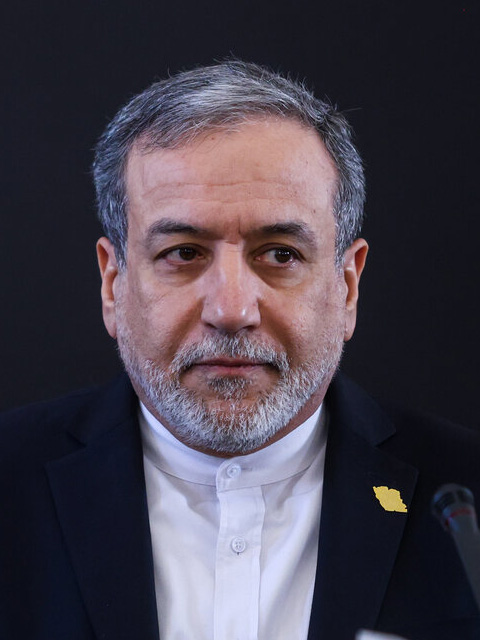
- Iran’s Foreign Minister Abbas Araghchi received U.S. feedback, relayed through Qatari mediators, on a proposed seven-day “trust-building” plan addressing both the Hormuz standoff and a broader ceasefire; the two sides still disagree over sequencing. (Sources: Associated Press, via Yahoo News; PBS NewsHour)
Elsewhere among the powers: this briefing found no significant new verified movement from China or Russia beyond their mention in the sanctions designations above.
Abdinasir Hassan Timoweyne is Chairperson of the Nexa Research and Training Centre and a political analyst specialising in the Horn of Africa and the Middle East. He lectures in International Relations at New Generation University.